
The Ultimate Guide to Forex Trading: Strategies, Tips, and Tricks
Forex trading, or foreign exchange trading, has emerged as one of the most popular financial markets in the world. It offers traders the opportunity to engage in the buying and selling of currencies with the aim of making profits. If you are looking to delve into this exciting world, then you are in the right place! This guide will cover everything from the basics to advanced trading strategies, along with tips and resources such as forex trading acev.io to improve your trading experience.
Understanding the Forex Market
The Forex market operates 24 hours a day, five days a week, and it is decentralized, meaning there is no central exchange or location. Instead, the trading occurs over-the-counter (OTC) through a global network of banks, brokers, and traders. Being the largest financial market in the world, it boasts a daily trading volume exceeding $6 trillion. This immense liquidity allows for seamless transactions and the ability to execute trades rapidly.
How Forex Trading Works
In Forex trading, currencies are quoted in pairs, such as EUR/USD, where the first currency (EUR) is known as the base currency, and the second currency (USD) is the quote currency. The price of the pair indicates how much of the quote currency is needed to purchase one unit of the base currency. Traders can either go long (buy) if they believe the base currency will appreciate against the quote currency or go short (sell) if they think it will depreciate.
Key Terminologies
Familiarizing yourself with key terminologies is crucial for understanding Forex trading. Here are some important terms:
- Pip: The smallest price movement in a currency pair, typically the fourth decimal place.
- Leverage: Allows traders to control a larger position than their initial investment, which can magnify gains and losses.
- Margin: The amount of money required to open a leveraged position.
- Spread: The difference between the bid and ask price of a currency pair.
- Lot: A standard unit of measurement for representing the size of a trade.
Trading Strategies
There are numerous strategies that traders employ to maximize their chances of success in Forex trading. Here are a few popular ones:
1. Scalping
Scalping is a trading strategy that aims to profit from small price changes over short periods. Scalpers execute numerous trades, holding positions for only a few seconds to minutes. This strategy requires a high level of market awareness and quick decision-making skills.
2. Day Trading
Day trading involves buying and selling currency pairs within a single trading day. Day traders aim to capitalize on intraday price movements and typically close their positions before the market closes to avoid overnight risks.
3. Swing Trading
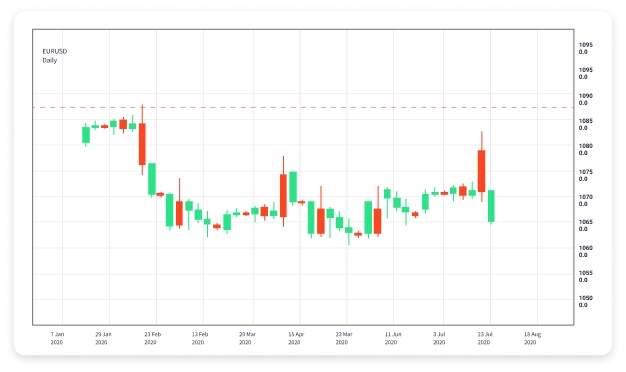
Swing trading involves holding positions for several days to capture price swings in the market. Swing traders rely on technical analysis, using charts and indicators to predict future price movements and make informed trading decisions.
4. Position Trading
Position trading is a long-term trading strategy where traders hold onto their positions for weeks or months, based on fundamental analysis and long-term trends. This approach requires patience and a thorough understanding of the market dynamics.
Risk Management
Effective risk management is vital for success in Forex trading. It involves implementing strategies to minimize potential losses and protect your trading capital. Some key risk management techniques include:
- Setting Stop-Loss Orders: A stop-loss order automatically closes a position when the market reaches a specified price, limiting potential losses.
- Position Sizing: Determining the size of each trade based on your account balance and risk tolerance is crucial for preserving capital.
- Diversifying: Avoiding overexposure to a single currency pair can help mitigate risks associated with unforeseen market movements.
Psychology of Trading
The psychological aspect of trading is often overlooked, yet it plays a significant role in a trader’s success. Maintaining emotional discipline, managing stress, and sticking to a well-defined trading plan are essential for long-term profitability. Here are some tips:
- Stay Disciplined: Follow your trading plan and avoid impulsive decisions driven by emotions.
- Accept Losses: Understand that losses are part of trading; learn from them and move on.
- Keep a Trading Journal: Document your trades, strategies, and emotions to identify patterns and improve your performance over time.
Choosing a Forex Broker
Selecting the right Forex broker is crucial for a successful trading experience. Here are some factors to consider when choosing a broker:
- Regulation: Ensure that the broker is regulated by a reputable financial authority to protect your funds.
- Trading Platform: Look for a user-friendly platform equipped with the necessary tools and features for analysis.
- Spreads and Fees: Compare the spreads and fees of various brokers to find one that offers competitive rates.
- Customer Support: Choose a broker that provides reliable customer support for any issues or inquiries.
Conclusion
Forex trading can be a lucrative opportunity for those willing to invest the time and effort to learn the ins and outs of the market. By understanding the fundamental concepts, implementing effective strategies, managing risks, and maintaining emotional discipline, you can enhance your trading performance. Remember to leverage resources like acev.io for valuable insights and tools. Happy trading!
]]>