When it comes to forex trading, having a solid framework is essential for success. Whether you are a novice trader or an experienced financial professional, understanding and implementing effective guidelines is crucial in navigating the fast-paced world of foreign exchange. This article will present a comprehensive overview of professional guidelines for creating a successful forex trading framework. To deepen your knowledge, you can also explore resources from forex trading framework professional guidelines forex-level.com.
Understanding Forex Trading Framework
The term “forex trading framework” refers to the structure and strategies that traders use to guide their decision-making processes in the foreign exchange market. A well-defined framework includes a combination of technical and fundamental analysis, risk management, and psychological discipline. Establishing a robust framework is vital for managing emotions and making informed trading decisions.
Key Components of a Forex Trading Framework
Your trading framework should encompass several key components:
- Market Analysis: This includes technical analysis, chart patterns, and indicators, as well as fundamental analysis based on economic indicators and geopolitical events.
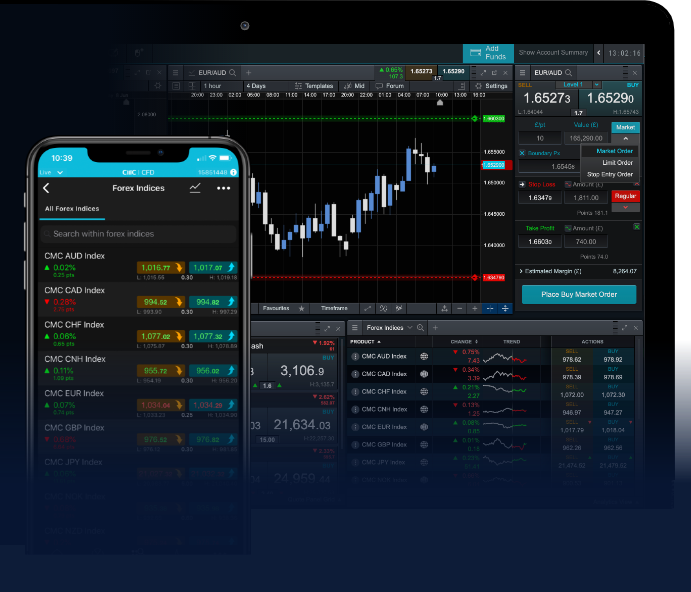
- Risk Management: Understanding how to manage risk is crucial in forex trading. Setting stop-loss orders, calculating position sizes, and maintaining a risk-reward ratio are essential practices.
- Trading Plan: Your trading plan should outline your trading goals, strategies, risk tolerance, and evaluation criteria. Consistency in following your trading plan is essential for long-term success.
- Psychological Discipline: Trading can be emotionally taxing, and maintaining discipline in your trading decisions is paramount. Developing a mental framework will help you stay focused and avoid impulsive trades.
Developing Market Analysis Skills
Effective market analysis involves studying price movements, understanding market dynamics, and making informed predictions. Two types of analysis dominate the forex trading world:
Technical Analysis
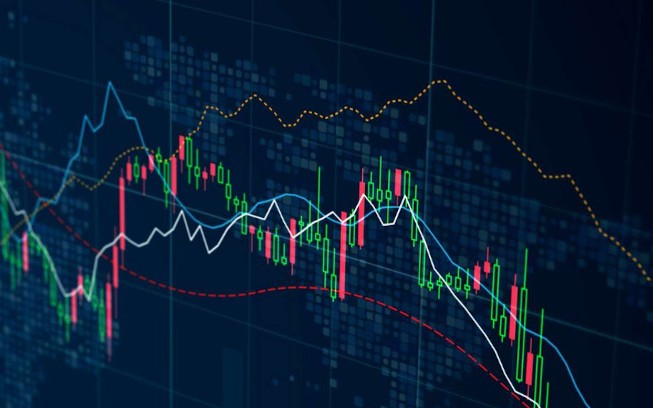
Technical analysis relies on historical price data to predict future price movements. Traders use various tools, including:
- Charts: Various types of charts, such as line charts, bar charts, and candlestick charts, provide visual representations of price movements over time.
- Indicators: Technical indicators, such as Moving Averages, Relative Strength Index (RSI), and Bollinger Bands, help traders identify trends and potential entry and exit points.
- Chart Patterns: Recognizing patterns like head and shoulders, triangles, and flags can signal potential market reversals or continuations.
Fundamental Analysis
Fundamental analysis focuses on economic indicators and geopolitical events that influence currency values. Key factors include:
- Interest Rates: Changes in interest rates can drastically affect currency values, making it vital to stay updated on central bank announcements.
- Economic Indicators: Reports on GDP growth, unemployment rates, and inflation can provide insights into a country’s economic health.
- Geopolitical Events: Political stability and events can lead to currency fluctuations that traders should be aware of.
Implementing Risk Management Strategies
Risk management is an integral part of any forex trading framework. Effective risk management strategies include:
Setting Stop-Loss Orders
A stop-loss order automatically closes a trade when it reaches a specific loss threshold, ensuring that losses are minimized. Implementing stop-losses is essential for protecting your capital.
Calculating Position Sizes
Determining the appropriate position size for each trade is crucial for risk management. Traders often use the 1% rule, which suggests risking no more than 1% of your trading capital on a single trade.
Maintaining a Risk-Reward Ratio
Establishing a favorable risk-reward ratio helps traders evaluate the potential profit of a trade against the risk involved. A common ratio is 1:2, indicating that the potential profit is double the risk taken.
Creating a Comprehensive Trading Plan
Your trading plan should be a dynamic document that evolves as you gain experience in the forex market. Components of a well-structured trading plan include:
- Trading Goals: Clearly define short-term and long-term goals to maintain focus and measure progress.
- Strategy Outline: Specify the strategies you will use for trading, including entry and exit criteria.
- Performance Evaluation: Regularly review your trades to understand what works and what doesn’t, adjusting your strategies accordingly.
Cultivating Psychological Discipline
The psychological aspect of trading can often determine a trader’s success or failure. Key practices for developing psychological discipline include:
- Keeping a Trading Journal: Documenting your trades, emotions, and thoughts can provide insights into your trading behavior and help identify patterns.
- Staying Informed: Knowledge reduces uncertainty, which can lead to better decision-making and confidence in your strategies.
- Emotional Management: Recognizing your emotions and implementing techniques to manage them, such as deep breathing or taking breaks, can drastically improve your trading performance.
Continuous Learning and Adaptation
The forex market is constantly evolving, and successful traders commit to continuous learning. Resources for enhancing your trading skills include:
- Online Courses: Various platforms offer courses on technical and fundamental analysis, trading psychology, and risk management.
- Books and Articles: Reading books by seasoned traders or reputable financial authors can provide valuable insights and strategies.
- Forex Trading Communities: Engaging with other traders through forums or social media groups can offer support, ideas, and inspiration.
Conclusion
Establishing a professional forex trading framework involves a comprehensive understanding of market analysis, risk management, trading plans, and psychological discipline. By consistently applying these professional guidelines, traders can significantly enhance their chances of success in the forex market. Remember, trading is a journey that requires patience, dedication, and continued effort in honing your skills.
]]>